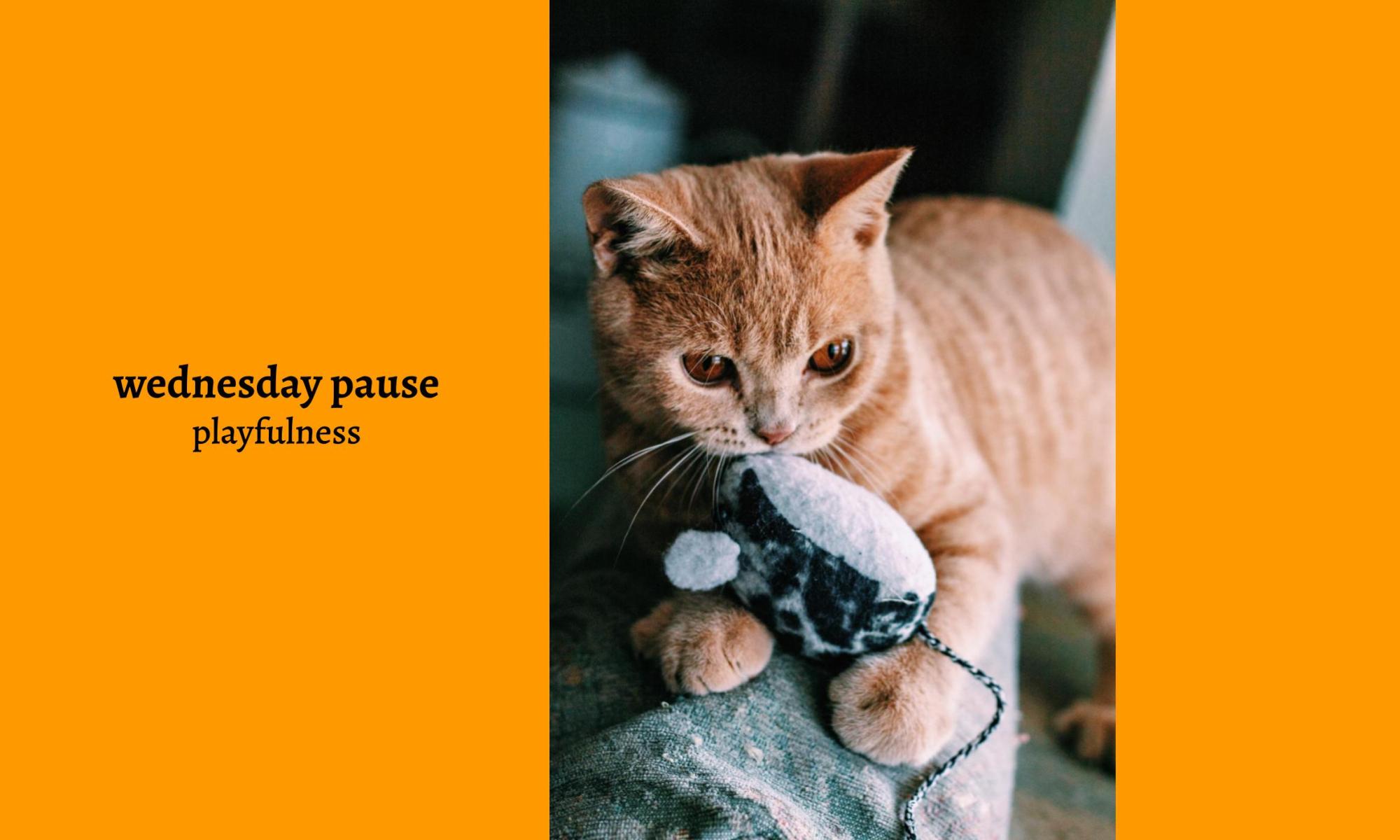
This practice is about not taking ourselves too seriously whenever we find it difficult to sit — a practice of not taking life too seriously when things don’t go our way. Playfulness helps cultivate patience. And when we can sit with that quality, we see things with clarity. What’s clear is clear, what’s veiled is veiled – nothing more.
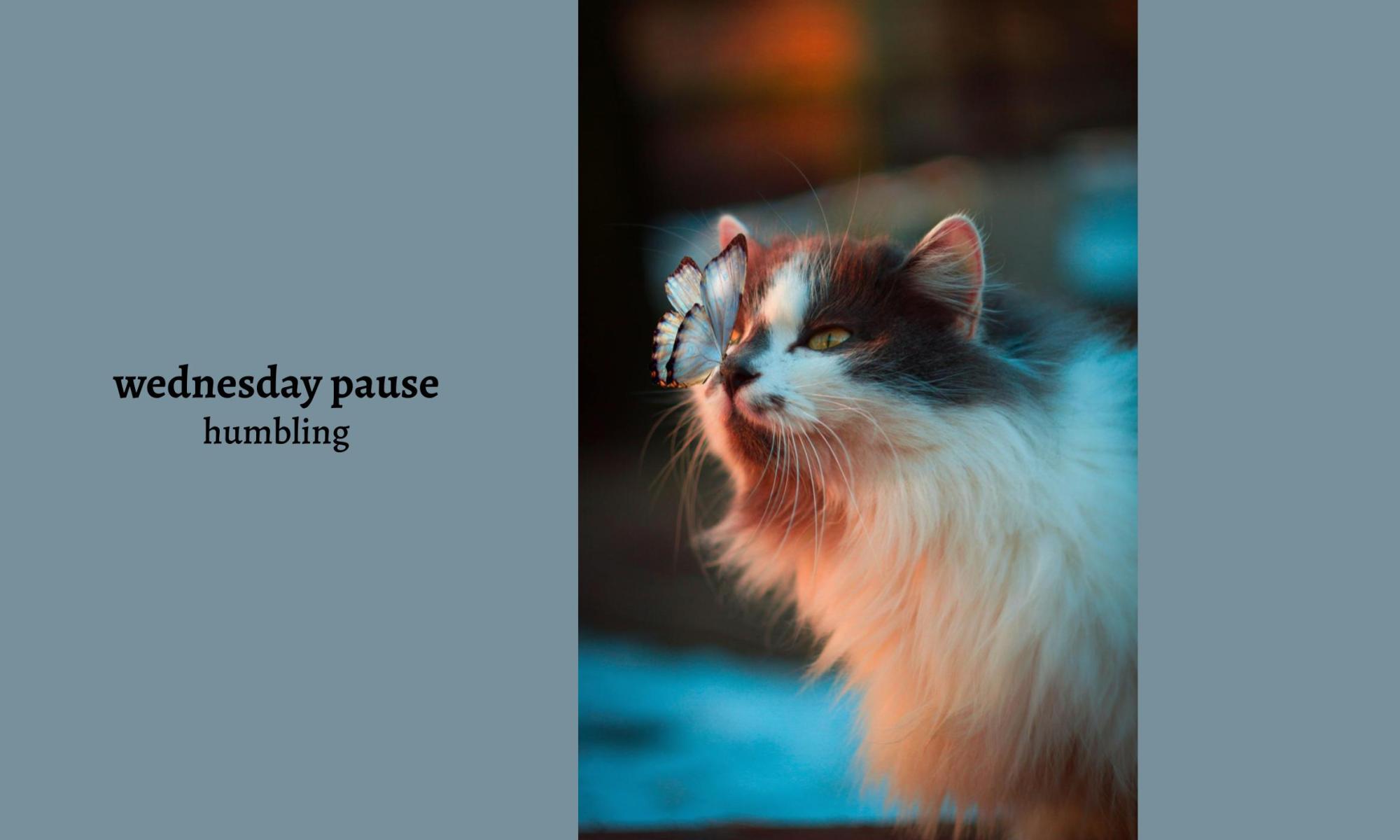
Patience is said to be a virtue to help us deal with distress or when things are not going our way. Underlying patience is humility, and so here’s a practice on humility. Humility is not about cancelling out our voice or lowering our self-esteem. Rather it’s the quiet confidence that we can go about our lives without needing overt validation. When we become like the bald eagle that flies towards the storm, only then can we go above it and become more.
surrendering like an eagle, Noelle Lim
if we remind ourselves of our imperfections
tell us we’re not good enough
punishing the fragile ego
life becomes a suffering
but what if we can be for changing
if answering setbacks
means leaving outside the ego
the enemy of courage locking us in a wallow
instead, why not surrender and accept
on hand, a willing heart
to life’s irregular cracks and weathering
we’ll see the play of her seasons
and witness the glory of her possibilities
let life not beat us down
instead, accept her grand invitation
to climb onto her big, strong wings
like those of the bald eagle
that flies towards the storm
gliding higher, gathering more strength, more speed
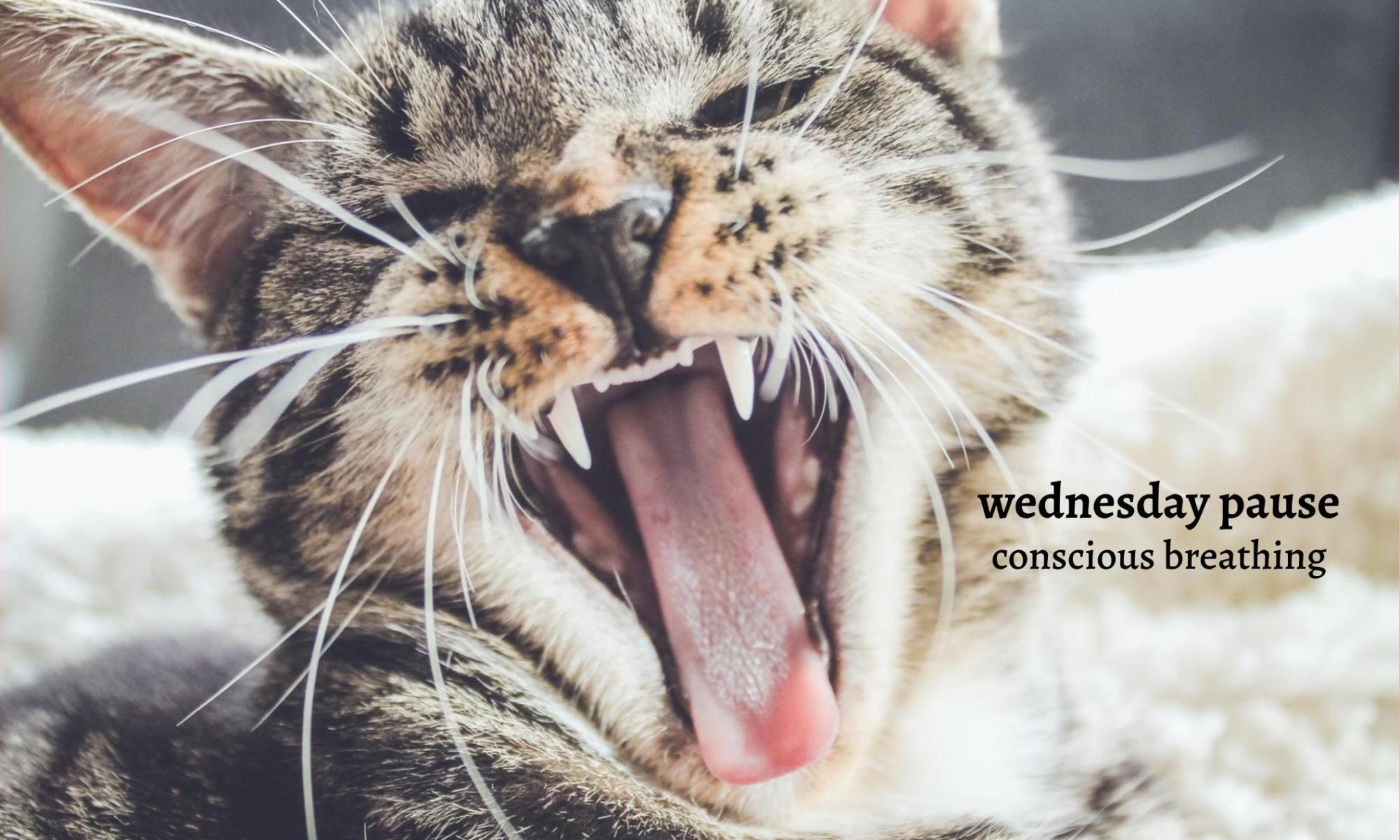
The breath represents life, it’s the first thing we do when we become a life. Being conscious of the breath also has the benefit of activating the parasympathetic nervous system that restores us to equilibrium and calms us down.
It’s also possible that the breath can be triggering. If you find it difficult to focus on the breath, just do the best you can as an observer, bringing to bear just an intention to observe and nothing else.
Breathing (extract), Thich Nhat Hanh
Breathing in, I have become space without boundaries. I have no plans left. I have no luggage.
Breathing out, I am the moon that is sailing through the sky of utmost emptiness. I am freedom.
Exploring courage starts with preparation – how we are starting and then continuing in the practice with a strong back (signalling confidence, conviction), soft front (care) and paying attention moment-by-moment (the little ways).
Courage (extract), Anne Sexton
Later,
when you face old age and its natural conclusion
your courage will still be shown in the little ways,
Saying yes to all our experiences—thoughts, emotions, moods, physical sensations—is not a weakness. This is a practice of just saying yes to our unfolding experiences as they are and noticing how our resistance and tension ease thereafter, when we no longer all these moments to have a grip over our sense of wellbeing.
Saying Yes (extract), RoseAnn V. Shawiak
Life falls, sliding through a side door, one that has not
been marked, but opens quickly when given a second chance.
An entire world opens up to an invitation, love is emanating
from people everywhere.
Splendidly opening upon a new shore, being rinsed clean, a
pure and newly sprung life.
All around sounds of nature are pouring forth in tribute of
our lives and experiences.
Bowing down, kneeling on one knee, saying yes with a gentle
happiness and a joy so great it cannot be contained.
Flowing out upon others who are in need, filling them with
Using the phrase “let me be grateful for this moment” as the anchor whenever the mind starts to wonder and we get lost in the busyness of our thoughts. Gratitude is probably one of the most powerful healers.
The Gift, Mary Oliver
Be still, my soul, and steadfast. Earth and heaven both are still watching though time is draining from the clock and your walk, that was confident and quick, has become slow.
So, be slow if you must, but let the heart still play its true part. Love still as once you loved, deeply and without patience. Let God and the world know you are grateful. That the gift has been given.
In mindfulness meditation, we’re cultivating the quality of non-grasping, non-driven-doing by staying with the breath or the body, and letting go the need to rise to the bait of our impulses to act. Often times, we could be reacting for no good reason.
Thoughts such as judgments, beliefs, and assumptions are transient, impermanent, and mental events. The invitation is to simply observe our thoughts, and not get hooked, believe or act on everything that the mind suggests, and instead to practise
The breath is closest to us, it’s what gives us life and sustains us. Using the breath as an anchor is one of the most powerful ways to stay anchored in the present moment. Breathing seems like the most insignificant thing we do every day yet miracles are in the smallest things if we care to observe.
Breath, Kabir
Are you looking for me? I am in the next seat. My shoulder is against yours. You will not find me in stupas, not in Indian shrine rooms, nor in synagogues, nor in cathedrals: not in masses, nor in kirtans, not in legs winding around your own neck, nor in eating nothing but vegetables. When you really look for me, you will see me instantly— you will find me in the tiniest house of time. Kabir says: Student, tell me what is God? He is the breath inside the breath.
To be still is to conserve energy. To be still is not to react nor rise to the bait of our thoughts and emotions. We’re cultivating the ability and willingness to just sit with what’s here instead of getting stuck in the loop of doing, grasping.
Inspiration sought from Pablo Neruda’s I Like For You To Be Still
I like for you to be still And you seem far away It sounds as though you are lamenting A butterfly cooing like a dove And you hear me from far away And my voice does not reach you Let me come to be still in your silence And let me talk to you with your silence That is bright as a lamp Simple, as a ring You are like the night With its stillness and constellations Your silence is that of a star As remote and candid
This evening’s practice is about noticing what’s here for us right now, how we’re holding our body, our posture, our feelings, moods, what thoughts are passing by, and how we’re reacting or responding to what’s arising, with kindness – do we tend to judge, do we tend to try to push away, do we try to dampen positive thoughts or shrug off negative thoughts. Here we are just noticing, not needing to react further to what’s arising within us. It’s a practice of letting be instead of having to resist and fight against our feelings or what might be unpleasant, or constantly needing to cling on to pleasantness.
Staying in the present moment and embracing the beauty and imperfections of the experience as it is. Words by Hafez.
The mountain’s face lifted me higher than itself.
A song’s wink aligned me with joy. And a tune paradise hums I came to know.
The forest, letting me walk amongst its naked limbs, had me on my knees again in silence shouting – yes, yes my holy friend, let your splendour devour me.
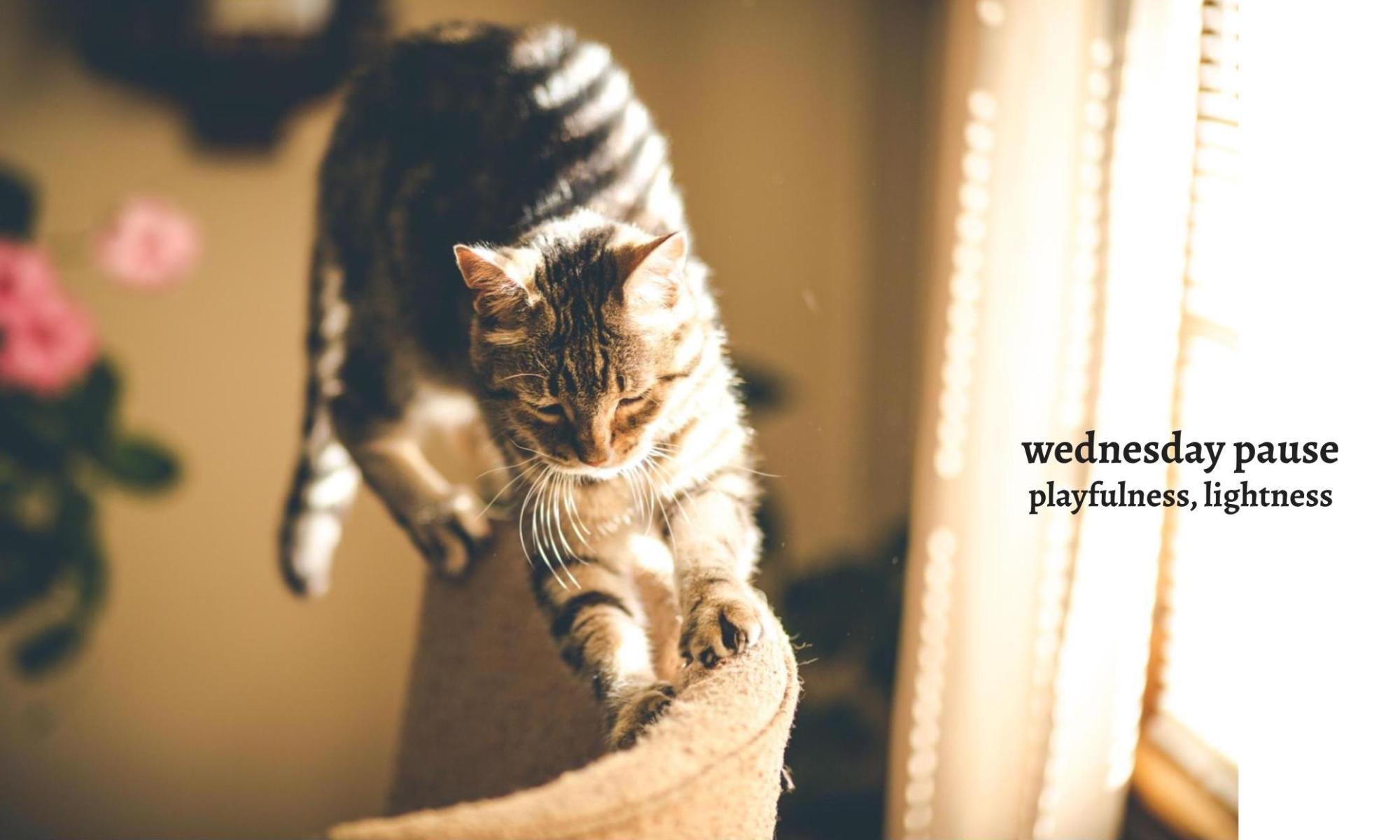
Sometimes we take life, our experiences, our unwelcome emotions too seriously. This meditation is a reminder to live life with a sense of lightness and playfulness.
Let Your Life Lightly Dance, by Rabindranath Tagore
To the guests that must go bid God’s speed and brush away all traces of their steps. Take to your bosom with a smile what is easy and simple and near. Today is the festival of phantoms that know not when they die. Let your laughter be but a meaningless mirth like twinkles of light on the ripples. Let your life lightly dance on the edges of Time like dew on the tip of a leaf. Strike in chords from your harp fitful momentary rhythms.
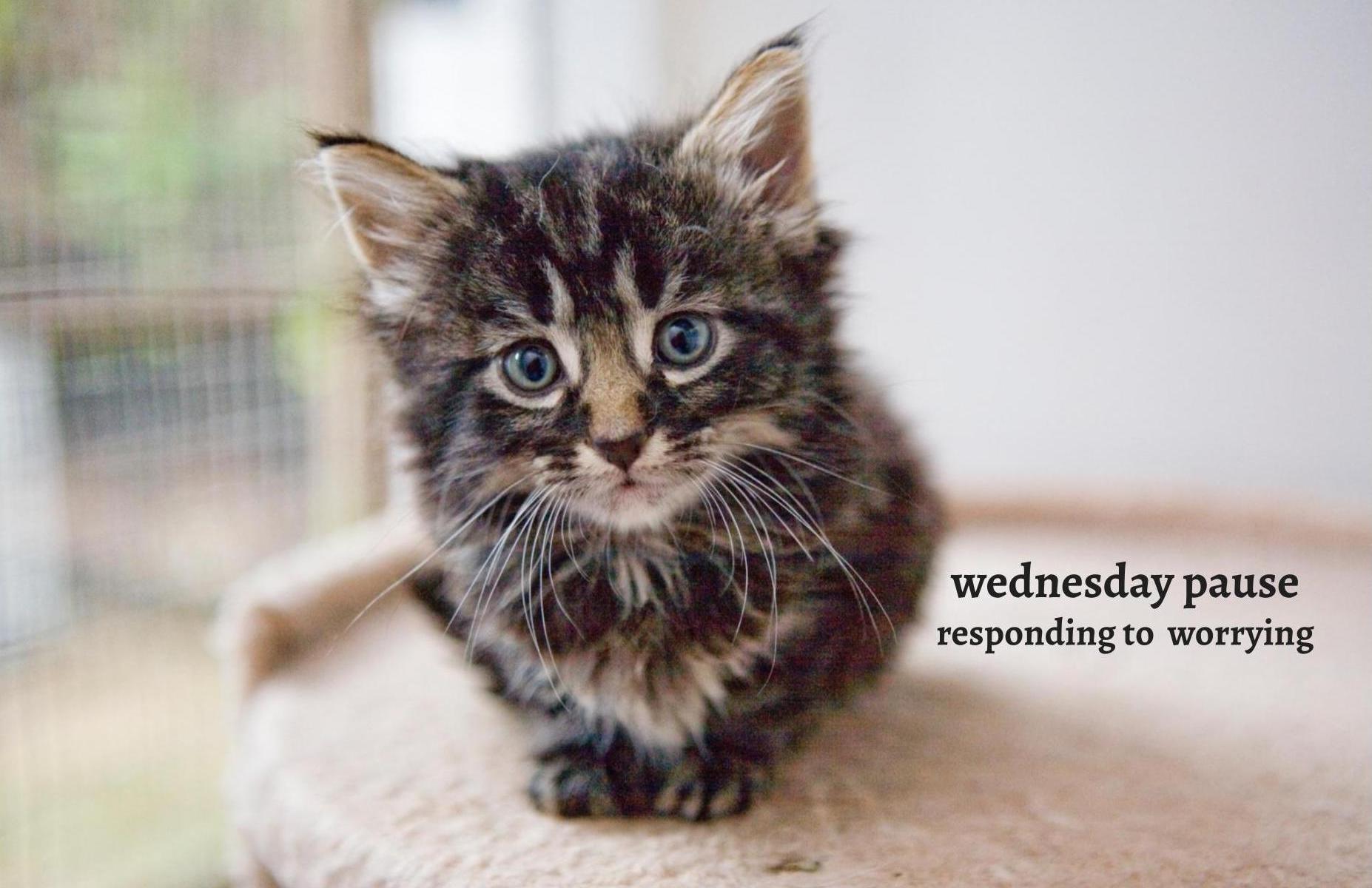
Worrying is a natural reaction of the mind and body. We de-compartmentalize by firstly noticing with equanimity and curiosity what and how we add to our worries – the stories we tell ourselves. Then, noticing how worrying is felt in the body, and breathing in and out of that sensation, taking long exhales. And finally as best as you can, letting be, letting go. The poetry “I Worried” by Mary Oliver comes to mind.
I worried a lot. Will the garden grow, will the rivers
In this meditation, taking a moment to take a mindful pause, acknowledging and accepting whatever feelings are arising, and sending well wishes to ourselves and others including people who annoy you. We only need to bring to bear the intention of well wishing even if we don’t feel like it. And we end off with this poem by Emily Dickinson.
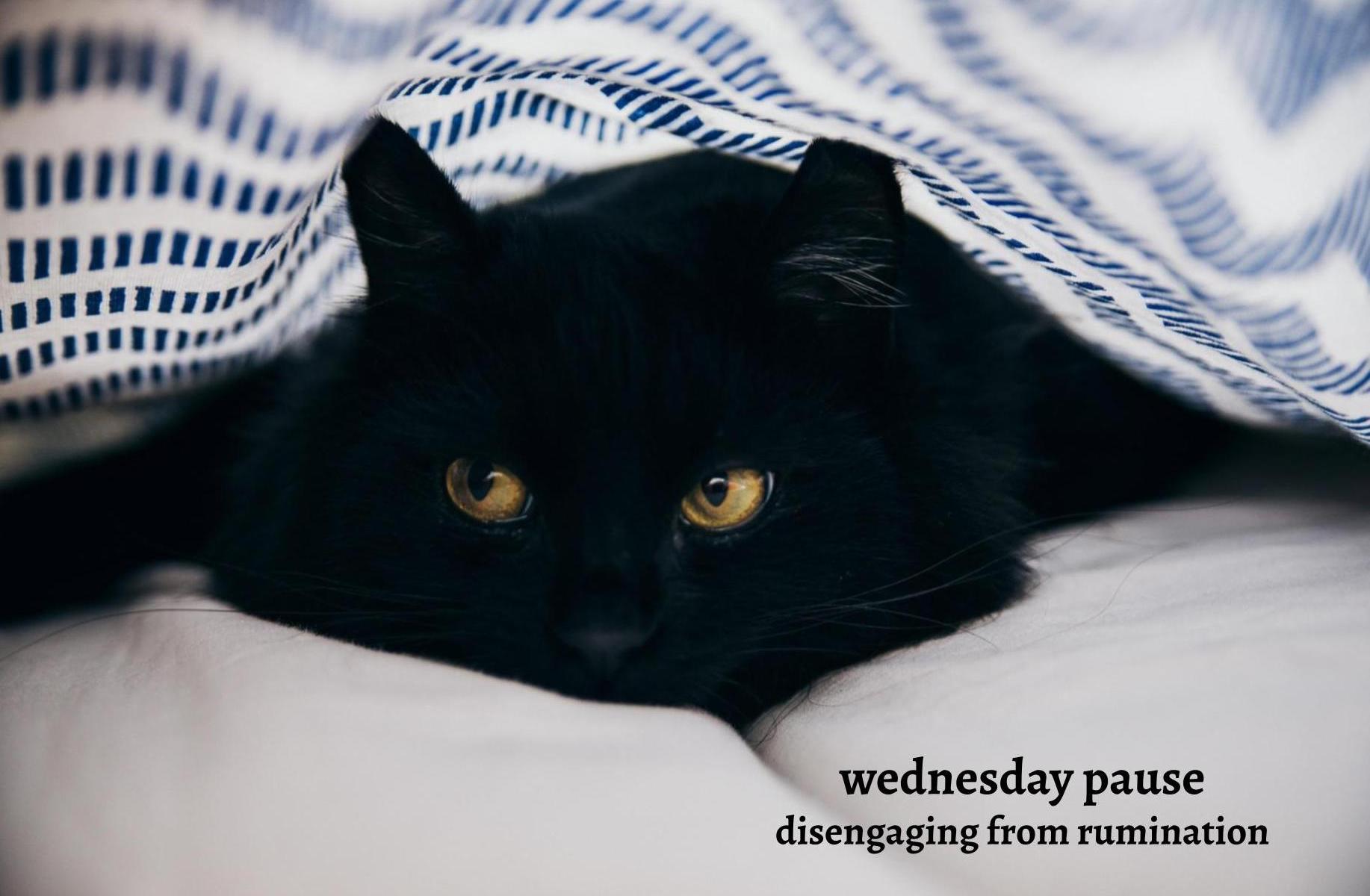
Rumination—thinking, thinking, going around in circles—brings us down the spiral, and causes depression, anxiety and stress. The invitation is to disengage from it, setting your thoughts free, and using the body to hold you steady.
In mindfulness meditation, the encouragement is to get curious about whatever experiences that arise, whether pleasant, unpleasant or neutral. This means with a beginner’s mind, noticing what is felt, where, how intense, what happens next, how we tend to react, and less about the “why”. By doing so, we’re allowing ourselves to process our emotions instead of judging and resisting which only compounds suffering. We’re less concerned about the “why” because emotions and sensations come and go – they’re impermanent and intangible.
 Kindermind Center